

Today we’re revisiting Caroline & Teddy’s wedding at Highfield Hall in 2015!
How Accumulator Betting Works: A Betzella Guide for UK Punters
Accumulator betting is one of the most widely used formats in UK sports wagering, particularly among football punters who want to combine multiple selections into a single bet. The appeal is straightforward: rather than placing four separate single bets, a punter combines them into one wager where each selection must win for the bet to pay out. The returns can be substantially higher than singles, but the risk increases with every leg added. Understanding the mechanics behind how accumulators are priced, settled, and structured is essential for anyone who places them regularly, whether on Premier League weekends or across mixed-sport markets.
The Mechanics of Accumulator Odds and Returns
An accumulator works by multiplying the decimal odds of each selection together. If a punter selects four football matches, each with odds of 2.00 (evens), the combined accumulator odds are 2.00 × 2.00 × 2.00 × 2.00 = 16.00. A £10 stake would return £160, including the original stake, yielding a profit of £150. This multiplicative structure is what makes accumulators attractive, but it also explains why they are statistically difficult to win consistently.
Bookmakers apply a margin to each leg of an accumulator, and these margins compound. If a bookmaker applies a 5% margin to each individual match, that margin is effectively multiplied across every selection. On a five-fold accumulator, the true probability of winning is significantly lower than the odds suggest when each leg’s overround is stacked. Research from academic studies on sports betting markets, including work published in the Journal of Gambling Studies, has consistently shown that accumulators carry a higher effective house edge than single bets, making them more profitable for bookmakers on a per-bet basis.
Accumulators are typically classified by the number of selections: a double (2 selections), treble (3), four-fold (4), five-fold (5), and so on up to any number a bookmaker will accept. Most UK bookmakers cap accumulators at around 20 selections, though some allow more for novelty bets. The minimum number of legs required to be called an accumulator is technically four, though the term is often used loosely to describe any multi-selection bet from doubles upward.
Types of Accumulators and Related Bet Structures
Not all multi-selection bets function in the same way as a straightforward accumulator. UK punters frequently encounter related bet types that offer partial cover in case one or more selections lose. A Trixie covers three selections with four bets: three doubles and one treble. A Patent covers three selections with seven bets, adding three singles. A Yankee covers four selections with 11 bets across doubles, trebles, and a four-fold. A Lucky 15 adds four singles to the Yankee for 15 total bets. These permutation bets are popular because they provide returns even when not all selections win, though the total stake is higher since each combination is a separate bet.
The distinction matters practically. A punter placing a Lucky 15 on four football selections at £1 per bet stakes £15 in total. If only two of the four selections win, they still collect on the doubles involving those two selections. With a straight four-fold accumulator at £15, a single losing selection means the entire stake is lost. Many UK bookmakers, including those regulated by the Gambling Commission under the Gambling Act 2005, offer bonus payouts on certain permutation bets, such as a double payout if all selections win on a Lucky 15.
Each-way accumulators are another variant, particularly common in horse racing. An each-way accumulator splits the stake into two parts: a win accumulator and a place accumulator. Both must run across all legs. The place accumulator pays out at a fraction of the win odds (typically one-quarter or one-fifth depending on the race type and field size) for each selection that finishes in a placed position. This format gives punters a chance of a return even if some selections fail to win outright, though the complexity of settlement can catch out less experienced bettors.
How Accumulators Are Settled and What Affects Them
Settlement of accumulators involves several rules that punters should understand before placing. If one leg of an accumulator is void — for example, a match is abandoned or a horse is a non-runner — most bookmakers will settle the bet as if that selection was not included. A five-fold accumulator with one void selection becomes a four-fold. This is standard practice among UK-licensed operators and is outlined in their terms and conditions, which are required to be clearly accessible under Gambling Commission guidelines.
Push rules, common in US-facing sportsbooks, are less standard in the UK market, but some operators apply similar logic to draws in certain markets. Punters placing football accumulators on match result markets should be aware of how their bookmaker handles specific outcomes, particularly in Asian handicap or both-teams-to-score markets where void outcomes are more frequent.
Accumulators can also be affected by early cash-out offers, which most major UK bookmakers introduced in the early 2010s. Cash-out allows a punter to settle a bet before all events have concluded, receiving a calculated portion of the potential winnings. The cash-out value fluctuates in real time based on current odds and the remaining legs. While cash-out can protect a punter’s position, the value offered is always calculated to include the bookmaker’s margin, meaning cashing out early consistently is rarely a profitable long-term strategy. More detailed breakdowns of how these calculations work are available at resources like www.betzella.com/how-do-accumulators-work-bit/, where the mechanics of accumulator settlement are examined in practical terms relevant to UK betting markets.
Ante-post accumulators, placed days or weeks before events, carry additional risk. Odds are often more generous in advance, but non-runners and team selection changes can affect the bet. Most bookmakers will void a leg if a team or athlete withdraws before competition, but this is not universal, and some ante-post markets explicitly state that no refunds apply for non-participation.
Bankroll Considerations and Statistical Reality
From a bankroll management perspective, accumulators present a specific challenge. Because they require all selections to win, the variance is extremely high. A punter who places ten four-fold accumulators over a month may win none of them despite having a reasonable individual selection success rate. If each selection has a 50% chance of winning, the probability of all four winning is 0.5 to the power of 4, or 6.25%. Over ten such bets, the expected number of winning accumulators is less than one.
The Gambling Commission’s own research into UK betting behaviour, published in its annual statistics reports, has shown that accumulators account for a disproportionate share of gross gambling yield for bookmakers relative to their volume, reflecting the compounded margins discussed earlier. This does not mean accumulators should be avoided entirely, but it does mean punters should treat them as high-variance entertainment rather than a consistent profit-making strategy.
Some professional bettors use accumulators selectively when they identify strong value across multiple correlated markets, though true correlation in standard accumulator markets is rare since bookmakers price each leg independently. Betzella and similar betting information platforms often discuss the concept of value in accumulator selection, emphasising that the same principles of expected value that apply to singles apply to each leg of an accumulator. A bad-value selection does not become good value simply because it is combined with others.
Responsible gambling tools available through UK-licensed operators — including deposit limits, time-out periods, and self-exclusion via GamStop, which became mandatory for all Gambling Commission licensees in 2019 — are as relevant to accumulator bettors as to any other format. The high potential returns of accumulators can encourage chasing behaviour, and punters should set clear staking limits before placing rather than adjusting them after a losing run.
Accumulator betting remains a fixture of UK sports wagering culture, particularly during the football season when weekend fixtures offer dozens of potential selections. Understanding how odds compound, how settlement rules apply, and how the house edge multiplies across legs gives punters a clearer picture of what they are actually buying when they place an acca. That understanding does not remove the entertainment value, but it does place expectations on a more realistic footing. Betzella’s resources on accumulator mechanics reflect the kind of informed approach that makes the difference between treating accumulators as a considered part of a betting strategy and chasing returns that the mathematics of the format rarely deliver.


Set at the historic Highfield Hall in Falmouth, this wedding was filled with greens. From the scenery at their venue to the bridesmaids dresses and the beautiful florals from Designers Touch – even the trolley from Cape Destinations was green!


Caroline and her mom worked together to pull together beautiful touches – we loved the potted plans on the tables that the guests were able to take home that evening. And as a surprise, Caroline’s mom had us place a scratch ticket with a penny at every guest’s seat!


Kate Murphy captured the day perfectly! Especially the surprise guest at end of the event! View all of the details on our website!
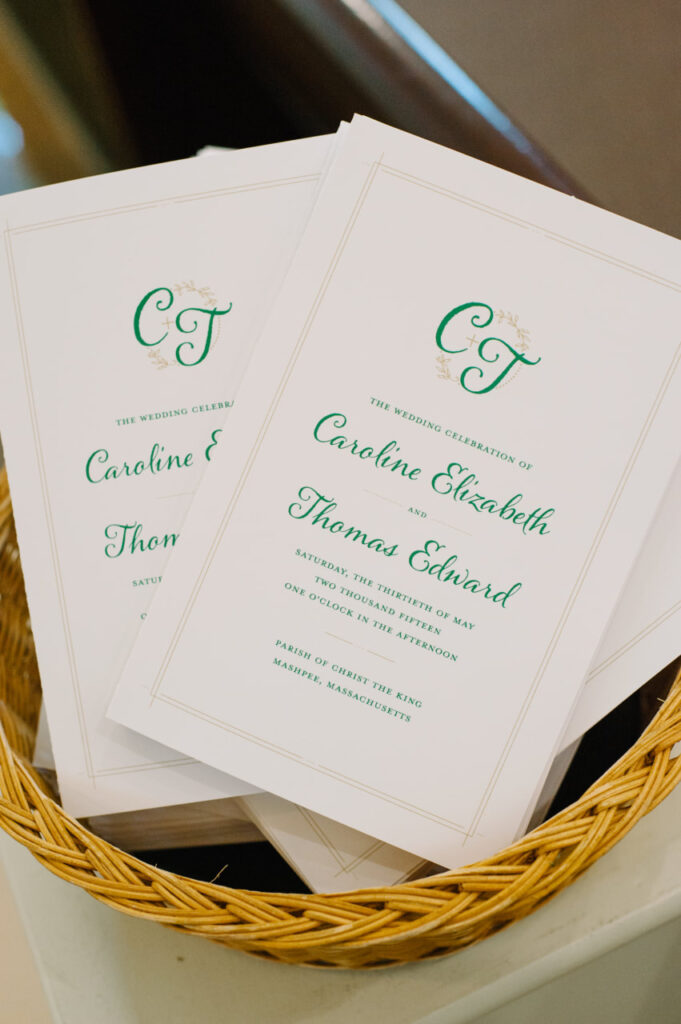

Are you looking to incorporate greens in your wedding? Check out our feature on Confetti Day Dreams for more inspiration!
Vendors
Venue – Highfield Hall
Florals – Designers Touch
Trolley – Cape Destination
Photographer – Kate Murphy


LEAVE A COMMENT
Comments